Information Systems Scholar · Human-Centered AI Researcher
Autumn Clark
I study how AI can support people when existing systems do not adequately meet their needs.
My research connects information systems, social and organizational psychology, and technical design to improve comfort, agency, and access to support in healthcare, work, and other consequential settings.
On the 2026–27 academic job market · PhD expected May 2027

Research program
One question, three settings
How can AI expand comfort, agency, and access to support when existing organizations or institutions do not adequately accommodate individual needs?
Patient-centered healthcare AI
Mixed-method study · Job-market paper, to be submitted fall 2026
- Human problem
- Intake is a foundational point of contact in healthcare, yet forms, checklists, and rushed verbal interactions often fail to accommodate the complexity of patients’ lived experiences. That can lead to misrepresentation and missed opportunities for care, particularly for marginalized patients.
- Central research question
- How does the design of an AI intake assistant shape whether patients feel comfortable during intake?
- Theoretical lens
- Stereotype content model (warmth and competence)
- Patient-centered communication
- Anthropomorphism and human–AI communication
- Methods
- 27 semi-structured interviews (about 1,420 recorded minutes)
- Inductive coding (κ ≈ .81)
- Factorial survey experiment with AI-mediated intake vignettes
- Contribution
- Identity concordance and patient-centered communication influence patients’ perceptions of an AI intake assistant’s warmth and competence, which in turn shape psychological comfort — explaining why technically capable systems may still fail when patients do not feel seen, heard, or believed.
AI-mediated trauma disclosure
Qualitative study in design · To be submitted spring 2027
- Human problem
- People who have experienced trauma may not have access to, or may not seek out, organizational and institutional support. Some are already turning to conversational AI — whether or not it is recommended.
- Central research question
- When and why do people turn to conversational AI to witness a trauma disclosure, how do they use it, and what are the advantages and disadvantages of doing so?
- Theoretical lens
- Socio-interpersonal model of post-traumatic stress disorder
- Affordances theory
- Self-disclosure
- Methods
- Planned: qualitative study
- Planned: experiment on disclosure style and algorithmic affordances
- Intended contribution
- The planned experiment will examine which combinations of disclosure style and algorithmic affordance may enhance well-being for people with different social-affective responses to trauma.
Neurodivergence, work, and AI
Qualitative study in design · To be submitted spring 2027
- Human problem
- A rapidly increasing number of neurodivergent employees work in IT roles and workplaces, and existing workplace support may not fit their individual needs. AI tools may offer a personal resource that employees direct themselves.
- Central research question
- How do neurodivergent and neurotypical employees use AI tools to craft their jobs, and how might that AI use help reduce burnout?
- Theoretical lens
- Job demands-resources model
- Self-determination theory
- Job crafting
- Methods
- Planned: qualitative study
- Planned: cross-sectional survey
- Intended contribution
- The study will connect AI-supported job crafting to regulatory style, task engagement, task characteristics, and task approaches, and examine its relationship to burnout.
How I work
From lived experience to design guidance
Each project moves iteratively through the same sequence — qualitative understanding first, then theory, then artifacts and experiments that test it.
Understand lived experience
Qualitative studies identify how people actually use a technology, how they respond to it, and which needs remain unmet.
In practice 27 semi-structured interviews, about 1,420 recorded minutes, on patient experiences with intake.
Identify mechanisms
Theories from social and organizational psychology explain how people interpret AI behavior and why those interpretations matter for well-being.
In practice Warmth and competence perceptions as the path from AI behavior to patient comfort.
Build or configure technology
A technical background makes it possible to build the artifacts that experiments need, rather than relying on descriptions of hypothetical systems.
In practice A CNN-based facial-appearance evaluation tool for the Judgy AI studies.
Test outcomes
Cross-sectional surveys examine relationships among the variables identified; experiments isolate causal mechanisms.
In practice Factorial survey experiments with AI-mediated intake vignettes.
Develop design and usage guidance
Findings become design and usage guidance — and, in future work, design-science artifacts evaluated in use.
In practice Qualitative findings translated into experimentally testable design principles.
Selected work
Studies, artifacts, and systems
Research prototype
Compassionate AI
How the design of an AI intake assistant shapes whether patients feel heard, believed, seen, and comfortable.
Research artifact
Judgy AI
A CNN-based appearance-evaluation tool built to study how people respond when an algorithm judges them.
Research stream
Healthcare privacy and disclosure
Why patients withhold or misrepresent health information, and why the privacy calculus differs in healthcare.
Founded and built
OkWellThen
A healthcare price-transparency platform that turned public hospital pricing data into consumer comparisons.
Teaching
Belonging makes difficult work possible
Students are better able to undertake difficult intellectual work when they believe they belong to a community of learners and that their instructor is invested in their success.
Lesson architecture · Convolutional neural networks
- Familiar experienceDoes this image contain a cat?
- Familiar experienceHow do you know?
- Conceptual modelThe computational problem
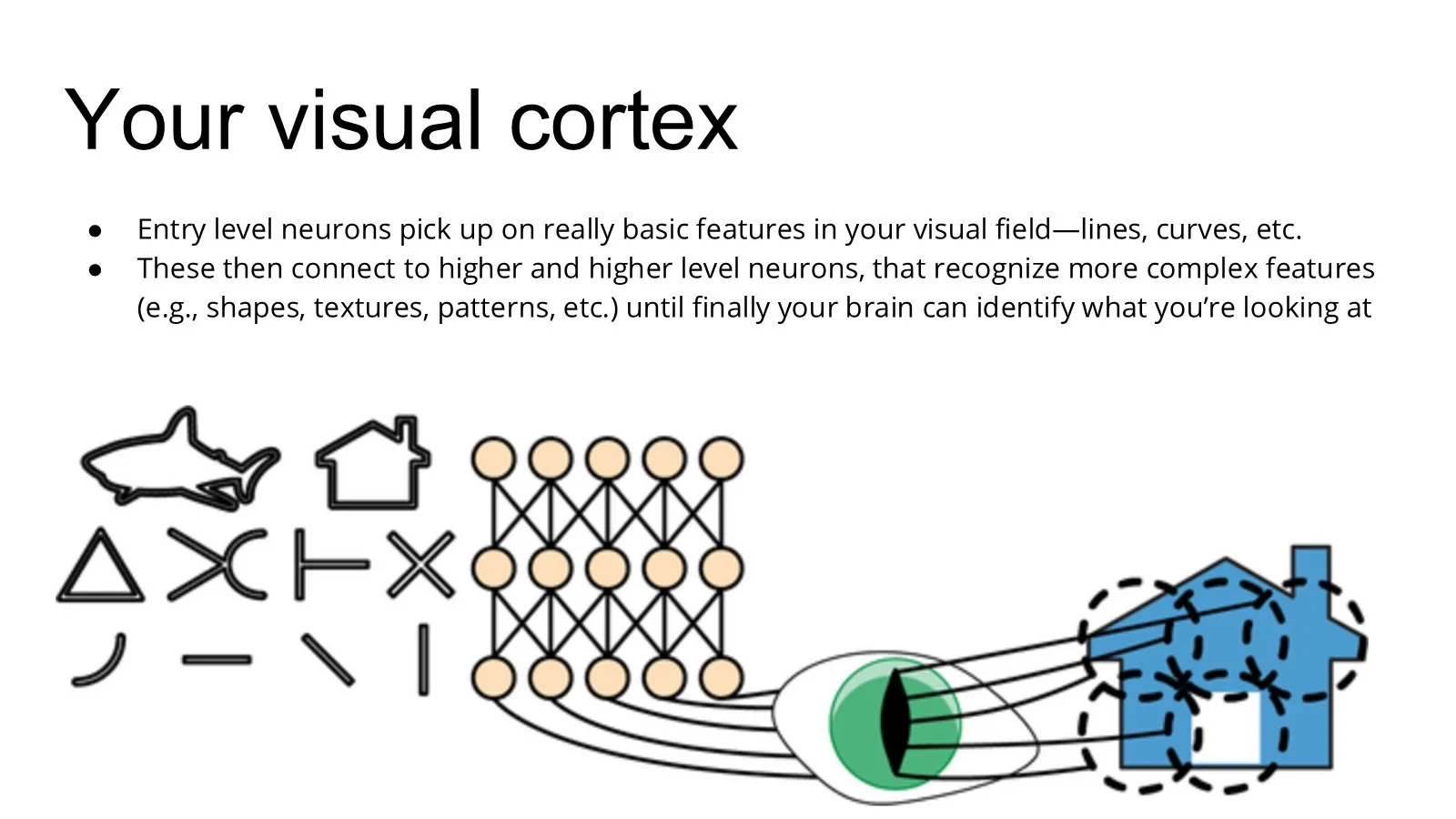
- Conceptual modelBorrowing from human vision
- Conceptual modelOne section at a time
- Technical detailKernels, pooling, and feature maps
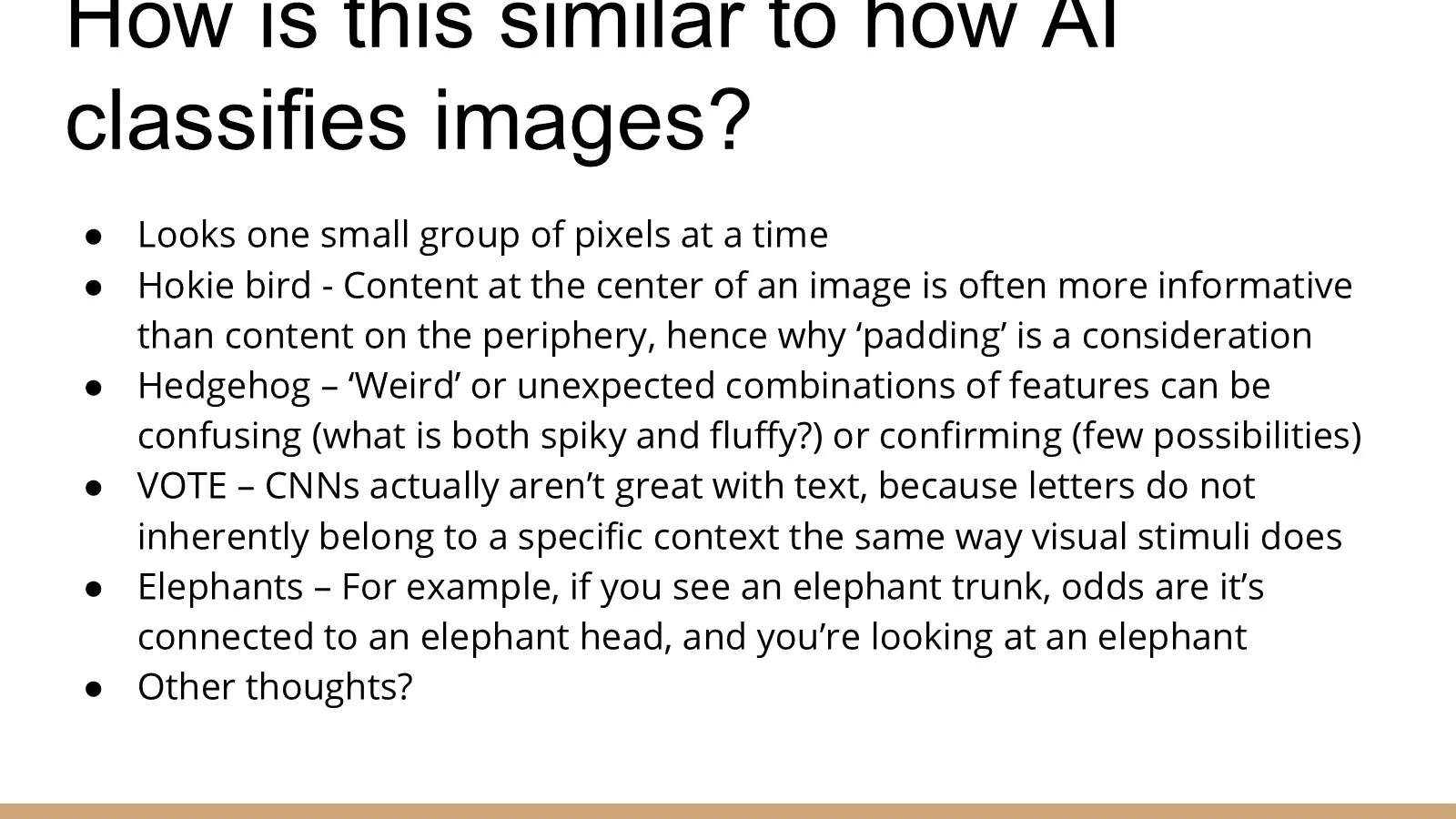
- Authentic applicationWhy it matters
- ThroughoutChecking understanding along the way
From the lecture
Computer vision and convolutional neural networks
Understand the capabilities, limitations, and real-world applications of CNNs and image classification, and explain a technical diagram of a CNN model.



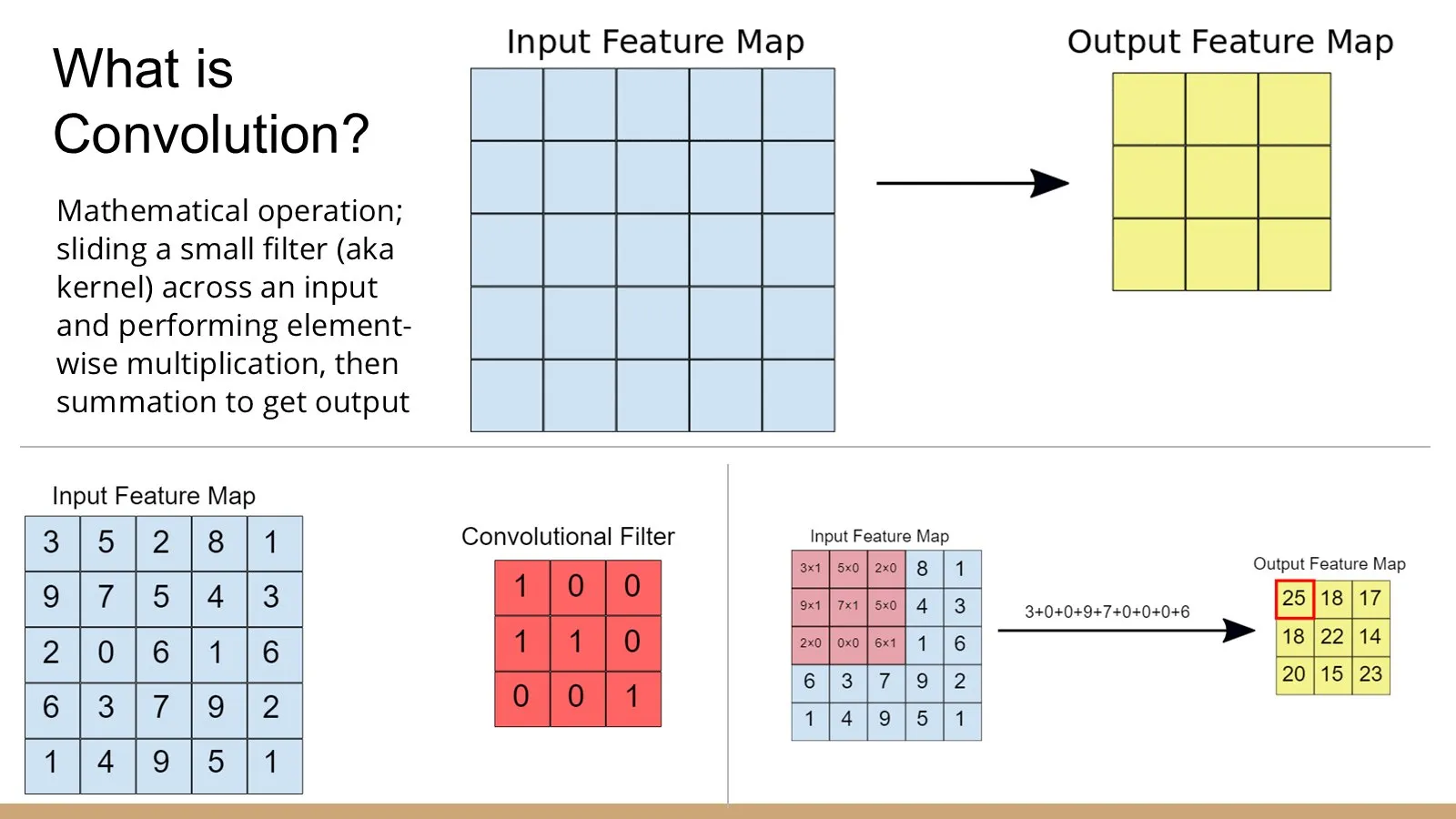
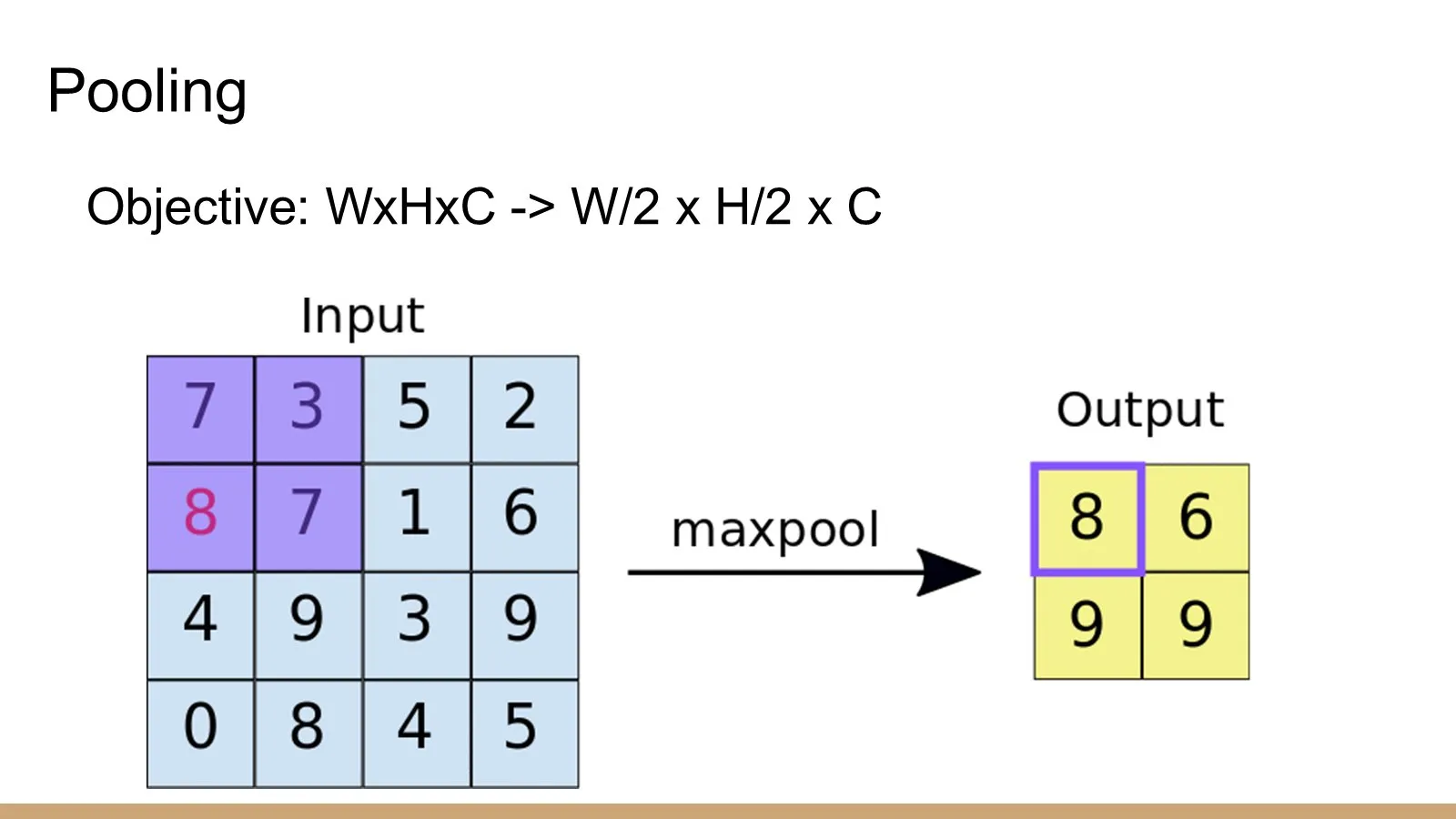
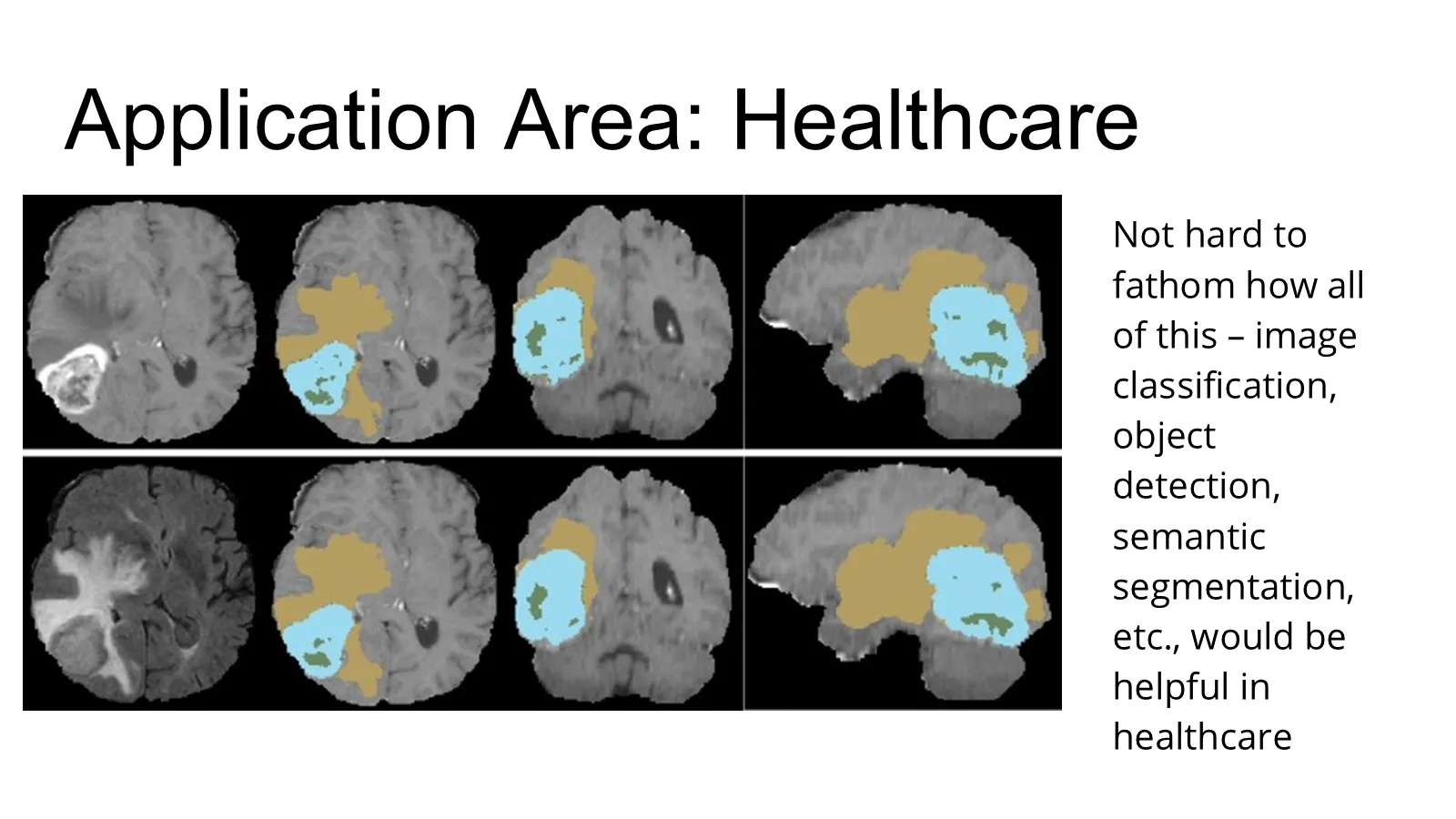
Slide 1 of 11
Evidence
Annotated record
27
semi-structured interviews
about 1,420 recorded minutes on patient experiences with healthcare intake · context for semi-structured interviews
κ ≈ .81
interrater reliability
on the co-developed qualitative coding framework · context for interrater reliability
Best Paper
in Track, HICSS-55
for research on the health data privacy calculus (2022) · context for in Track, HICSS-55
4
doctoral fellowships
ICIS 2026, AMCIS 2026, AMCIS 2024 (Early Career), HICSS 2024 · context for doctoral fellowships
~120
students mentored
as teaching assistant for Advanced Excel at BYU · context for students mentored
$6,000+
competitive funding
secured for OkWellThen · context for competitive funding
Current work
In progress
- Dissertation research
Nobody Cares How Much You Know Until They Know How Much You Care: A Stereotype Content Model Investigation into Adapting AI Intake Assistants to Improve Patient Comfort
Dissertation Paper 1 · Job-market paper · To be submitted fall 2026
- Dissertation research
Bearing Witness to the World’s Traumas: Examining the Role of Conversational AI in Processing Social-Affective Responses to Traumatic Experiences
Dissertation Paper 2 · To be submitted spring 2027
- Dissertation research
Neurodiverse Job Crafting with AI: A Jobs Demands-Resources Model of AI Use as a Personal Resource to Diminish Neurodiverse Employees’ Burnout
Dissertation Paper 3 · To be submitted spring 2027
- Working paper
Self-Verification with Judgy AI: Cognitive and Affective Reactions to Judgmental Algorithmic Feedback on Personal Characteristics
Commonwealth Cyber Initiative-funded research program · To be submitted fall 2026
Teaching came first
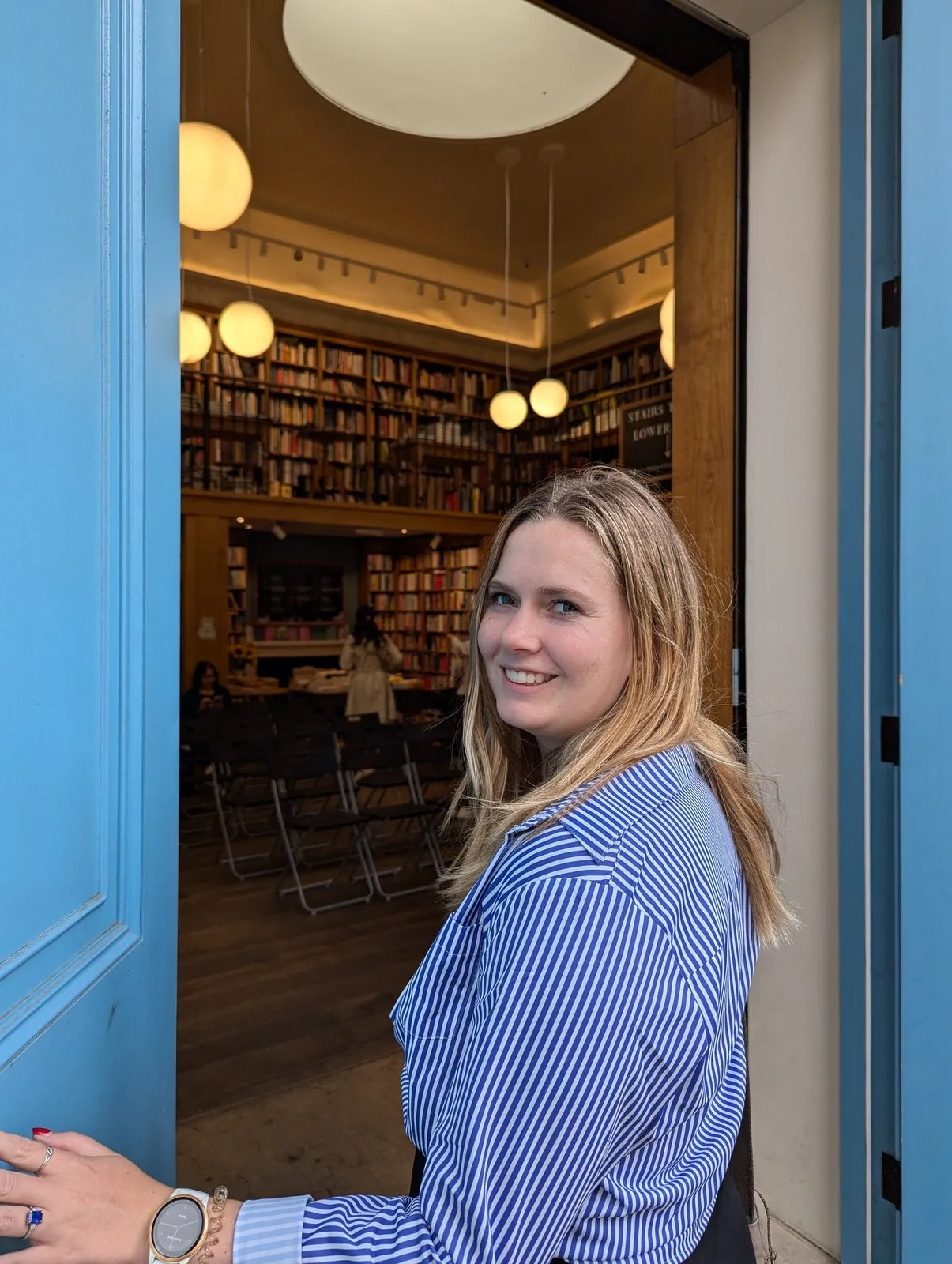
From 2016 to 2018 I lived in Hong Kong, teaching one-on-one and in small groups in Mandarin and Cantonese. I still begin where learners are — with what they already understand — whether the subject is a language or a neural network. Today I also lead discussion-based lessons for students ages 16–18 in Fairfax, Virginia.
Training in UX and graphic design informs how I build research artifacts and teaching materials, and I read and listen in German at an intermediate level.